
Influenza and Seasonal Flu Updates
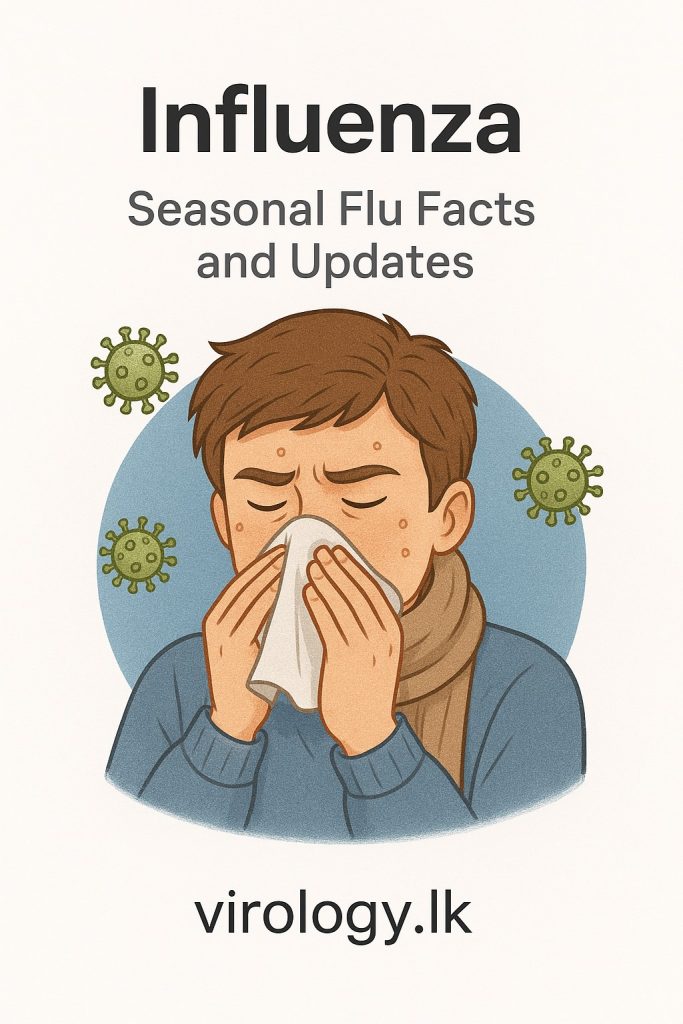
Influenza, commonly known as the flu, is a contagious viral illness that causes seasonal outbreaks across Sri Lanka every year. Understanding flu trends, recognizing symptoms early, and getting vaccinated can help reduce complications and protect high-risk groups. Here’s everything you need to know about seasonal flu in Sri Lanka and how to stay protected.
When Is Flu Season in Sri Lanka?
Sri Lanka experiences two main flu peaks each year:
- First Peak: Between April and June
- Second Peak: Between November and January
These periods coincide with school terms and monsoon seasons, increasing the spread of respiratory viruses. Children, the elderly, pregnant women, and those with chronic illnesses are most at risk during these times.
What Causes Seasonal Flu?
Seasonal flu is caused by influenza viruses, mainly Influenza A and Influenza B. These viruses mutate often, which is why annual vaccination is recommended.
Common circulating strains include:
- Influenza A(H1N1) – Often called “swine flu”
- Influenza A(H3N2)
- Influenza B (Victoria and Yamagata lineages)
The Ministry of Health and WHO monitor flu trends through surveillance networks across the country.
Symptoms of Influenza
Symptoms can appear suddenly and may include:
- High fever
- Headache
- Dry cough
- Sore throat
- Muscle aches and joint pain
- Runny nose or nasal congestion
- Fatigue
- Sometimes vomiting or diarrhea (especially in children)
Flu is often confused with the common cold or COVID-19, but it usually comes on more abruptly and severely.
How Is Influenza Diagnosed?
Diagnosis is typically clinical, but lab tests can confirm infection:
- Rapid Influenza Diagnostic Tests (RIDTs)
- PCR Testing – More accurate, often used in hospitals
- Multiplex Respiratory Panels – Can detect flu, RSV, COVID-19, and more
Testing is especially helpful for high-risk patients or during severe outbreaks.
Flu Vaccine in Sri Lanka
The influenza vaccine is safe, effective, and updated yearly to match the most common circulating strains. It is especially recommended for:
- Children under 5
- Adults over 60
- Pregnant women
- People with asthma, heart disease, or diabetes
- Healthcare workers
Vaccination is available through hospitals. The best time to get vaccinated is before the flu season starts — ideally in March/April and again in October, if needed.
Treatment and Home Care
For most people, the flu can be managed at home with:
- Rest
- Fluids
- Paracetamol for fever and body aches
- Monitoring for warning signs
Antiviral medications like oseltamivir (Tamiflu) may be prescribed in high-risk or hospitalized patients, especially if started within the first 48 hours of symptoms.
When to Seek Medical Help
Contact a doctor immediately if you or a loved one experiences:
- Difficulty breathing
- Chest pain
- Confusion or drowsiness
- High fever lasting more than 3 days
- Dehydration or poor feeding in children
These may be signs of complications such as pneumonia, asthma flare-up, or secondary bacterial infection.
Flu Prevention Tips
Reduce your risk of infection with these simple precautions:
- Get vaccinated annually
- Wash hands frequently with soap and water
- Cover mouth and nose when sneezing or coughing
- Avoid close contact with sick individuals
- Stay home when ill to prevent spreading infection
- Disinfect frequently touched surfaces
Latest Flu Updates in Sri Lanka
The Epidemiology Unit of the Ministry of Health regularly publishes flu surveillance reports, including trends by district and age group. Visit www.epid.gov.lk for official updates, or follow virology.lk for patient-friendly explanations and alerts during peak flu seasons.
Conclusion
Seasonal flu in Sri Lanka is a yearly challenge, but with awareness, vaccination, and early care, we can reduce hospitalizations and protect vulnerable groups. Bookmark virology.lk for flu updates, prevention tips, and expert insights tailored for Sri Lankan families.